Loading...
Economic Overview
The Economy of Nunavut
Nunavut's economy represents a unique blend of traditional Inuit practices and modern industries. Created in 1999 from the eastern portion of the Northwest Territories, Canada's newest territory continues to develop while maintaining its cultural heritage and environmental stewardship.
40,000+
Population
Spread across 25 communities
2.1M km²
Territory Size
21% of Canada's landmass
$3.5B+
GDP
Annual gross domestic product
~14%
Unemployment
Varies significantly by community
Nunavut faces unique economic challenges and opportunities. The vast distances between communities, lack of road infrastructure, extreme climate, and small population create significant costs for business operations and service delivery. However, the territory's abundant natural resources, unique culture, and strategic Arctic location offer considerable potential for sustainable economic development.
Major Economic Sectors
Mining
Largest private sectorMining is currently Nunavut's largest private sector employer and economic driver. The territory has significant deposits of gold, diamonds, uranium, copper, zinc, and iron ore.
- Gold mining operations at Meadowbank and Hope Bay
- Mary River iron ore project - one of the largest in North America
- Significant diamond exploration and development
- Strict environmental and community benefit agreements
Fishing
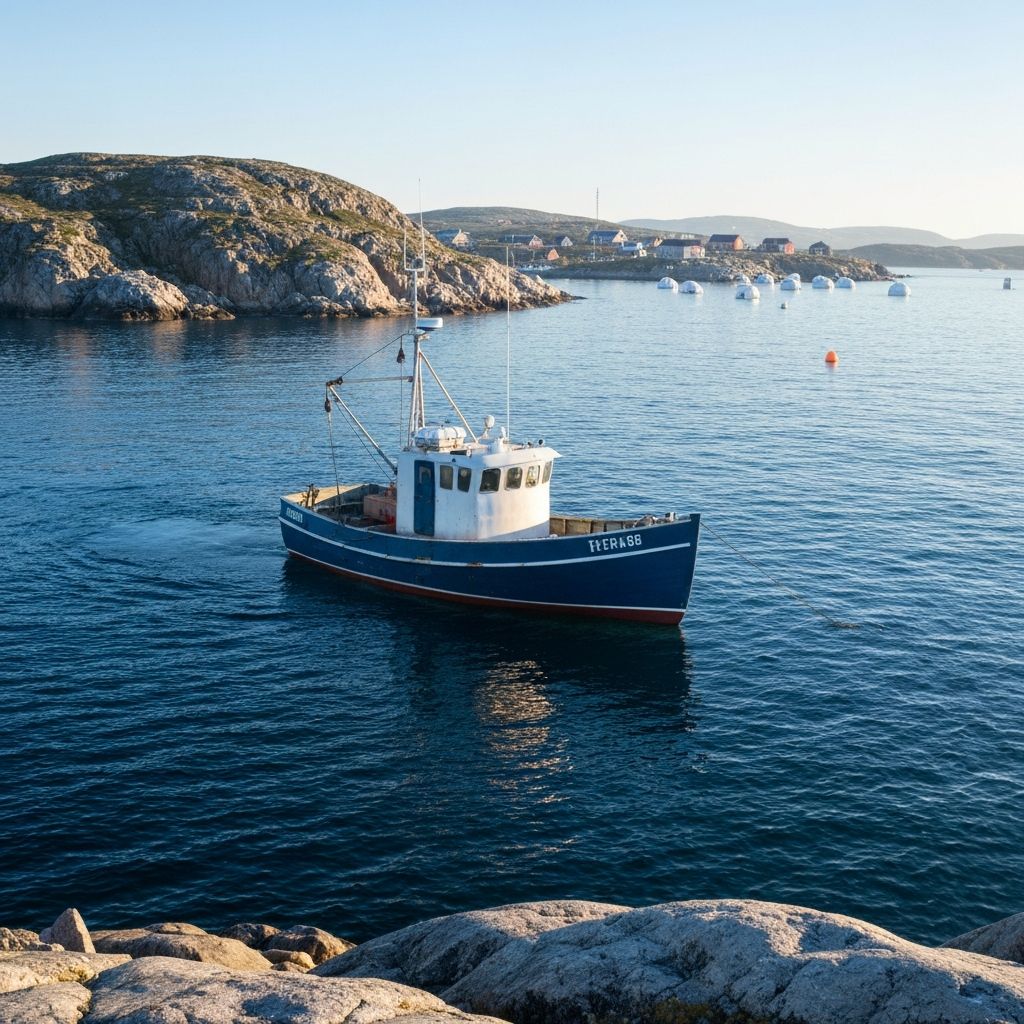
$70M+ annual revenueNunavut's commercial fisheries harvest turbot, Arctic char, and shrimp from the cold, clean waters of the Arctic. The industry operates sustainably within strict quota systems.
- Turbot fishery in Baffin Bay and Davis Strait
- Arctic char harvested from inland lakes and rivers
- Expanding offshore shrimp fishery
- Community-based fishing operations
Tourism
$40M+ contributionTourism continues to grow as visitors seek authentic Arctic experiences. Wildlife viewing, cultural tourism, and adventure travel draw thousands annually.
- Polar bear and whale watching expeditions
- Northern lights tourism in winter months
- Cultural experiences with Inuit communities
- Cruise ship visits to coastal communities
Arts & Crafts
$33M+ annuallyInuit art is internationally renowned for its distinctive style and cultural significance. Over 3,000 artists create sculptures, prints, textiles, and jewelry.
- Stone carving (soapstone, serpentine)
- Printmaking cooperatives in Cape Dorset
- Sealskin and fur clothing and accessories
- Direct sales and gallery representation worldwide
Traditional Economy
$40M+ contributionHunting, trapping, and harvesting remain vital to Nunavut's economy and food security. Country food provides essential nutrition and maintains cultural connections.
- Caribou, seal, and whale harvesting for food
- Fur harvesting and sealskin products
- Berry picking and other traditional foods
- Knowledge-based contributions to research
Lending & Credit
Financial servicesHow credit is structured, regulated, priced, and used within Nunavut. An academic, fully-sourced look at every major loan type and the actual laws that govern them in the territory.
- Mortgages and the land-tenure barriers to home finance
- Business, personal, and credit-impaired lending
- Payday and short-term credit under the Criminal Code ceiling
- No-credit-check lending and instant bank verification
Insurance
Risk & financial protectionHow insurance is structured, regulated, and used within Nunavut. An academic, fully-sourced look at every major coverage type and the laws and programs that govern them in the territory.
- Home, tenant, and property coverage in a high-rebuild-cost North
- Mandatory auto and off-road vehicle (snowmobile & ATV) insurance
- Life, health, and travel coverage, including NIHB for Inuit
- Business, commercial, and marine sealift-cargo insurance
Communities
25 cities & hamletsAll 25 communities of Nunavut, grouped by region, with 2021 Census populations and the top public services in each. Iqaluit is the territory's only city; the other 24 are hamlets.
- Qikiqtaaluk, Kivalliq, and Kitikmeot regional profiles
- Health centres, RCMP, power, schools, and air access
- Regional hubs: Iqaluit, Rankin Inlet, Cambridge Bay
- Sourced to the 2021 Census and Government of Nunavut
Government & Services
Largest employerGovernment services at federal, territorial, and municipal levels constitute the largest employment sector. Healthcare, education, and administration are major employers.
- Government of Nunavut departments
- Federal government agencies and services
- Inuit organizations and land claim bodies
- Healthcare and education services
Economic Challenges
Infrastructure & Transportation
With no roads connecting communities, all goods must arrive by air or seasonal sealift. This dramatically increases the cost of living and doing business. A jug of milk can cost three times the southern Canadian price.
Housing & Cost of Living
Nunavut faces a severe housing shortage, with many families living in overcrowded conditions. Construction costs are extremely high due to permafrost, short building seasons, and material transportation costs.
Workforce Development
While Inuit represent 85% of the population, they remain underrepresented in many skilled positions. Education and training programs are working to increase Inuit participation in the wage economy.
Climate Change
Changing ice conditions affect traditional harvesting, while permafrost thaw threatens infrastructure. However, longer ice-free shipping seasons may also create new economic opportunities.
Banking & Financial Services
Financial services in Nunavut are limited compared to southern Canada, but several institutions serve the territory's residents and businesses. For an in-depth, sourced analysis of how credit and lending function in the territory, see our Lending & Credit guides.
Chartered Banks
Three major chartered banks operate branches in Nunavut, primarily in larger communities like Iqaluit, Rankin Inlet, and Cambridge Bay.
Business Development
The Business Development Bank of Canada (BDC) and Community Futures organizations provide loans and support for entrepreneurs and small businesses.
Inuit Development Corporations
Regional Inuit development corporations invest in local businesses and provide economic opportunities for beneficiaries of the land claims agreement.
Future Outlook
Nunavut's economic future holds significant promise. Continued mineral exploration may yield new mining opportunities, while sustainable tourism growth can showcase the territory's unique natural and cultural heritage. The opening of Arctic shipping routes and increased interest in northern sovereignty create strategic importance. Investment in infrastructure, education, and training will be essential to ensure Nunavummiut can fully participate in and benefit from economic development while maintaining the traditional practices that have sustained communities for millennia.
Learn About Nunavut Tourism
Discover the unique experiences that draw visitors to Canada's Arctic territory and how tourism contributes to local communities.